What does a ticket to Rembrandt's house actually get you?
The Rembrandt House stands at Jodenbreestraat 4, the broad canal street where Rembrandt van Rijn bought a merchant's house in 1639 for 13,000 guilders, a fortune he would eventually go bankrupt owing, and where he lived through his peak years — the Night Watch was painted one floor above the entrance you will use. Restored to a working 17th-century home with his print collection in the attic and live demonstrations of etching and paint-grinding in the studio, it is the most human of Amsterdam's art museums. Tickets run from $23 booked, and the honest visit is ninety minutes that make the Rijksmuseum feel like it makes sense. It is the eastern counterweight in our guide to the museums in Amsterdam.
About This Experience
Jodenbreestraat 4, 1011 NK Amsterdam — by the Waterlooplein market
Metro 4 or 14, tram 9 or 14 to Waterlooplein; five minutes' walk from the Jewish Cultural Quarter
Daily from 10:00; demonstrations run several times a day — time your visit to one
Booked from $23; Museumkaart and City Card accepted — reserve as usual
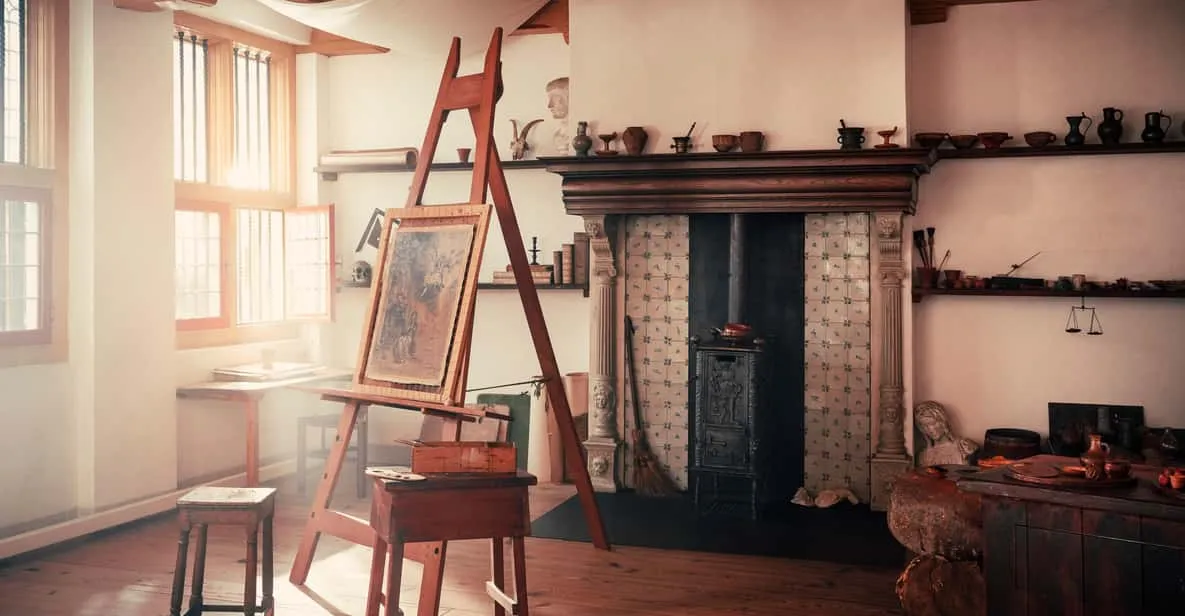
The studio where the Night Watch was painted, with period pigments ground fresh at the demonstrations
Check Live Availability & Prices
Entry is by timed booking through the platforms below; the house rarely sells out midweek.
Which Rembrandt House Ticket to Pick
One ticket covers it — there is no tour tier worth upgrading to, because the house's own demonstrations do the guiding. The plain entry includes the audio guide, the full print collection in the modern wing, and the timed demonstrations in the studio and the etching room. What decides your visit is the clock: arrive at a demonstration time and the house delivers everything; arrive between them and you get a beautifully furnished museum with a quieter pulse.
- Standard entry — house, audio guide, print room and demonstrations; the only ticket almost anyone needs.
- With the Jewish Cultural Quarter — the house sits at the edge of the old Jewish neighbourhood; the quarter guide pairs it with the Holocaust and Resistance museums a few minutes east.
- Museumkaart / City Card — both valid; book the free slot as usual.
Rembrandt House Tickets & Golden Age Pairings
Entry via the comparison platforms, plus the two Golden Age doors that pair with it.
from $23
Rembrandt House Museum Ticket
Entry to the canal-front house where Rembrandt lived and worked at his peak, with demonstrations of etching and paint-grinding in his own studio rooms.
- Rembrandt's actual house
- Demos in his studio
- Etchings on display
 from $21
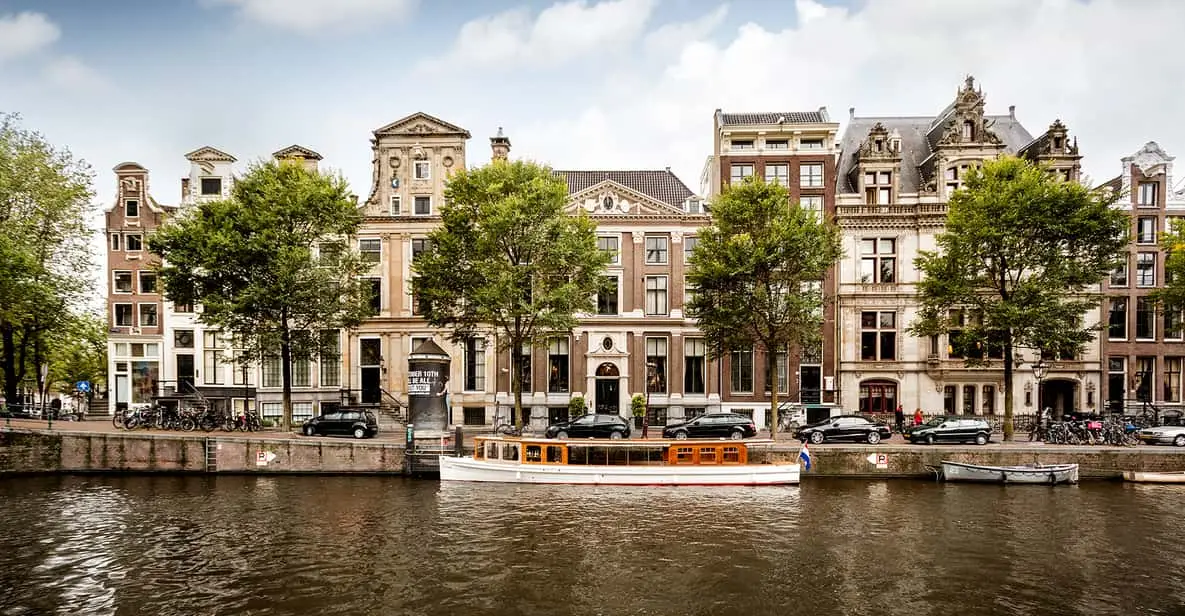
Museum of the Canals Ticket
A small museum on the Herengracht that explains how and why the canal ring was built — the single best primer before any canal-side sightseeing.
- Canal ring explained
- Audio guide included
- Under an hour, well spent
 from $21
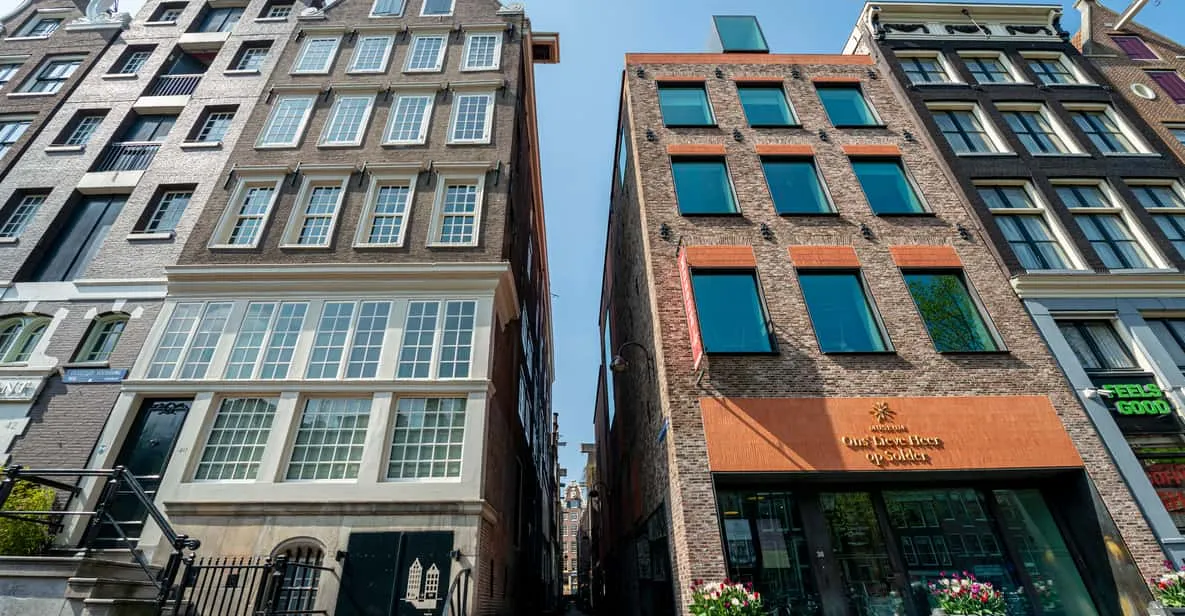
Our Lord in the Attic Museum Ticket
Entry to the canal house with a complete Catholic church hidden in its attic, built when Catholic worship was banned — Amsterdam tolerance in one building.
- A secret church in a canal house
- Golden Age tolerance story
- Top-rated small museum
What You'll See
The house is furnished from the 17th-century inventory drawn up at the 1656 bankruptcy — which is why it feels inhabited rather than staged. The kunstkammer holds his cabinet of curiosities: shells, armour, a baby crocodile, the props that appear in the paintings. The studio upstairs has the north light and the pigments; the etching room runs a period press, and the demonstration cards explain why one bad print cost him more than a week's groceries.
Above everything hangs the collection of his actual etchings — biblical scenes, landscapes, the self-portraits in ink — arguably a deeper Rembrandt than the paintings, made affordable to the man's own century.
- The studio — where the Night Watch took shape in 1642; the demonstrations grind lapis and lead white the 17th-century way.
- The etching press — a working period press, pulling real prints at the demos.
- The kunstkammer — the curiosity cabinet that doubled as prop store and status object.
- The print room — his complete graphic work in rotation, including the self-portraits that trace his face from youth to bankruptcy.
- The marriage portrait room — Saskia's world, and the beginning of the money trouble the house itself became.
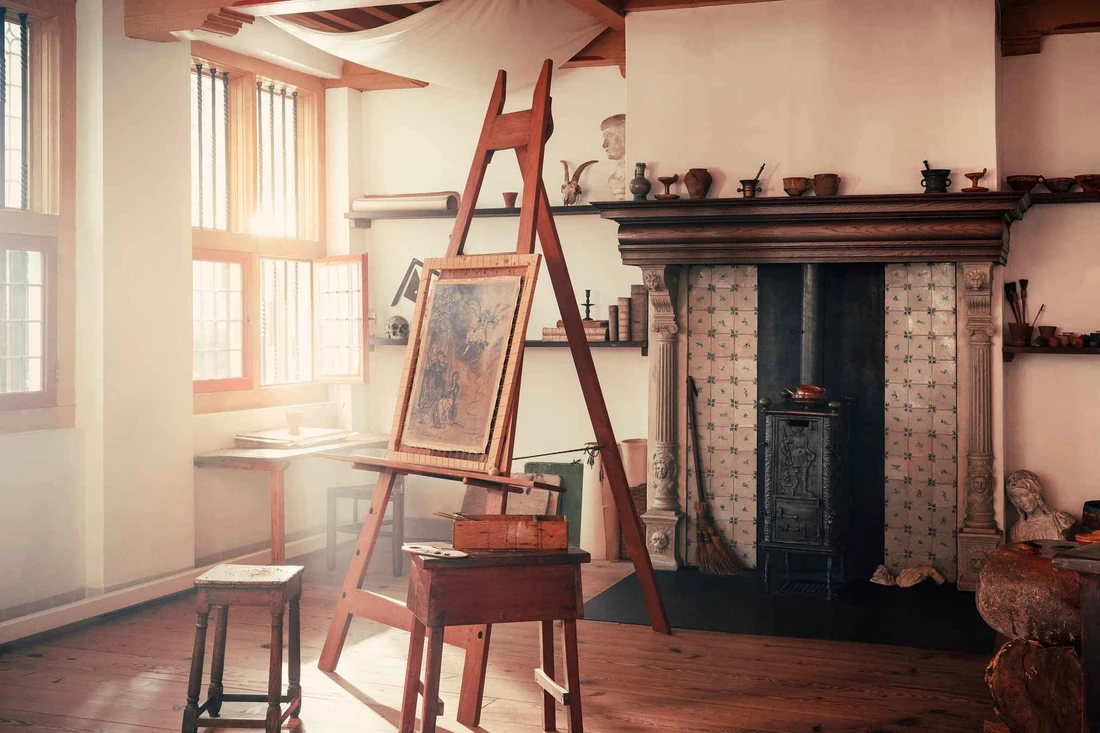
The house on the Jodenbreestraat, bought at the peak and lost to bankruptcy — the museum keeps both facts in frame.
How a Visit Flows
-
Before you go
Check the demonstration times
They run several times daily; the house publishes them at the desk. Build the visit around one etching or pigment session.
-
First half hour
The house, bottom to top
Entrance hall, front room, kunstkammer, then the studio — the route follows the inventory, and the audio guide keeps it tight.
-
Mid-visit
Catch the demonstration
Twenty minutes of grinding pigments or pulling a print explains the economics of 17th-century painting better than any wall text.
-
Last stretch
The print room
Save the etchings for last — they are the reason to slow down, and the room benches allow it.
-
After
Waterlooplein or the Quarter
The flea market outside runs until early evening; the Jewish Cultural Quarter's museums start five minutes east.
Know Before You Go
- Open daily from 10:00; ninety minutes is the honest visit, two hours if the print room catches you.
- Booked from $23; Museumkaart and City Card valid with the usual slot booking.
- Steep 17th-century stairs throughout — the museum says so plainly, and it is true.
- The demonstrations are included; sit through one even if your Dutch-era patience is short.
- Pairs naturally with the Jewish Cultural Quarter and the Waterlooplein market into one eastern-Amsterdam day.
Where You're Headed
Rembrandt House FAQ
How much are Rembrandt House tickets?
Booked tickets run from $23 through the comparison platforms above; the museum is covered free by the Museumkaart and the I amsterdam City Card with the usual slot reservation. Door pricing changes seasonally — the official site carries the current figure.
Is the Rembrandt House worth it if I'm seeing the Rijksmuseum?
Yes — they are complements, not substitutes. The Rijksmuseum shows the finished masterworks; the house shows how the money, pigments, props and bankruptcy worked. Visitors who see the house first consistently report the Gallery of Honour lands differently.
Did Rembrandt paint the Night Watch here?
Yes — the Night Watch was painted in the first-floor studio in 1642, at the height of both his career and his debts. The studio is furnished on the same plan with the same north light, and the demonstrations use the materials he would have had within reach.
How long do you need at the Rembrandt House?
Ninety minutes covers the house, one demonstration and a browse of the print room; etching enthusiasts should budget two hours. It is a small museum done densely — the opposite of the Rijksmuseum's four-floor sprawl.
What Visitors Say
Incredible — loved it, and the audio guides were fantastic. The demonstrations were the part we didn't expect to love.
A treasure of history, well crafted and easy to follow. Beautiful building, well managed and preserved.
Great audio tour, and the print collection alone was worth the ticket. The new exhibition hall will only make it better.