Amsterdam holds one of the densest museum clusters in Europe, and almost all of it sits inside the same canal ring. The most famous museums in Amsterdam — the Rijksmuseum, the Van Gogh Museum and the Stedelijk — face each other across the Museumplein lawn, and the art museums in Amsterdam cluster around that one lawn; the Rembrandt House and the Jewish Cultural Quarter line the old eastern edge; the canal houses of the Herengracht and Keizersgracht are museums in their own right, some of them still furnished as the merchant families left them. Walk the ring and you cover four centuries of Dutch art, history and stubbornness in a day and a half, and no art museum in Amsterdam repays a morning like the Rijksmuseum does at opening.
The catch is that Amsterdam runs on timed entry. The Van Gogh Museum sells out days ahead in season, the Anne Frank House releases tickets in weekly batches through its own site only, and even the Rijksmuseum is cheaper and faster with a booked slot. The second catch is the pass math: between the Museumkaart, the I amsterdam City Card and the Go City pass, the right answer changes with how many days you have and whether you want the trams included.
This guide keeps Amsterdam museums by theme — ten of them — so you can plan by what you actually want to see. It doubles as an Amsterdam museum guide and, on the map near the foot of the page, a plan of the museums in the Amsterdam canal ring. Every section covers where a museum sits, when it opens, what entry really costs, and which tickets and tours are worth booking — with the honest notes that only show up after you have queued at all of them.
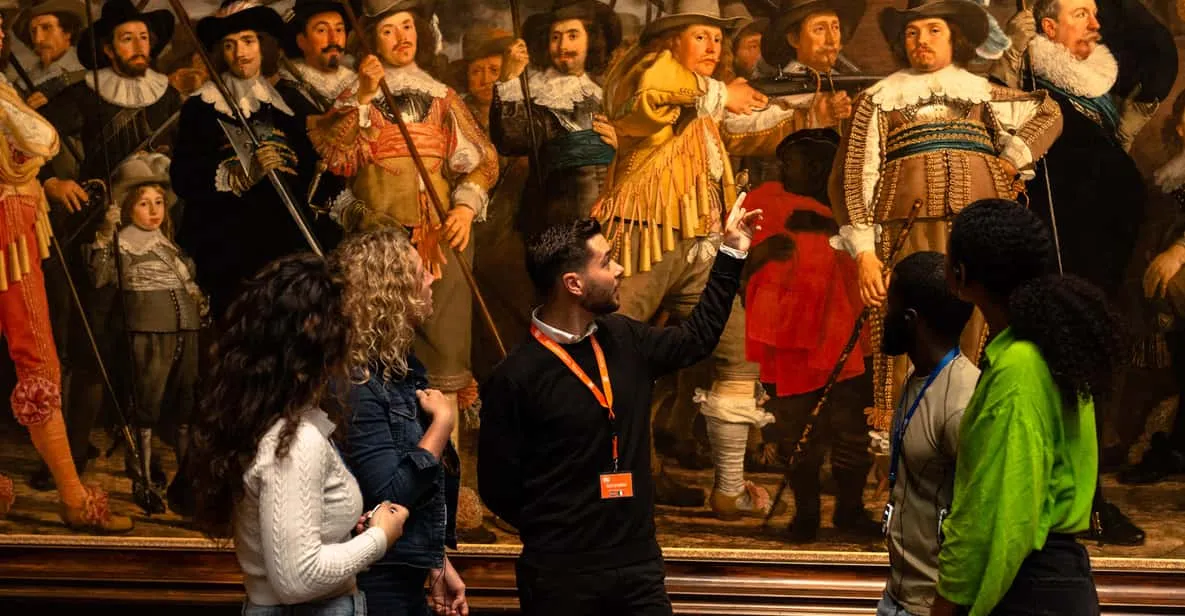
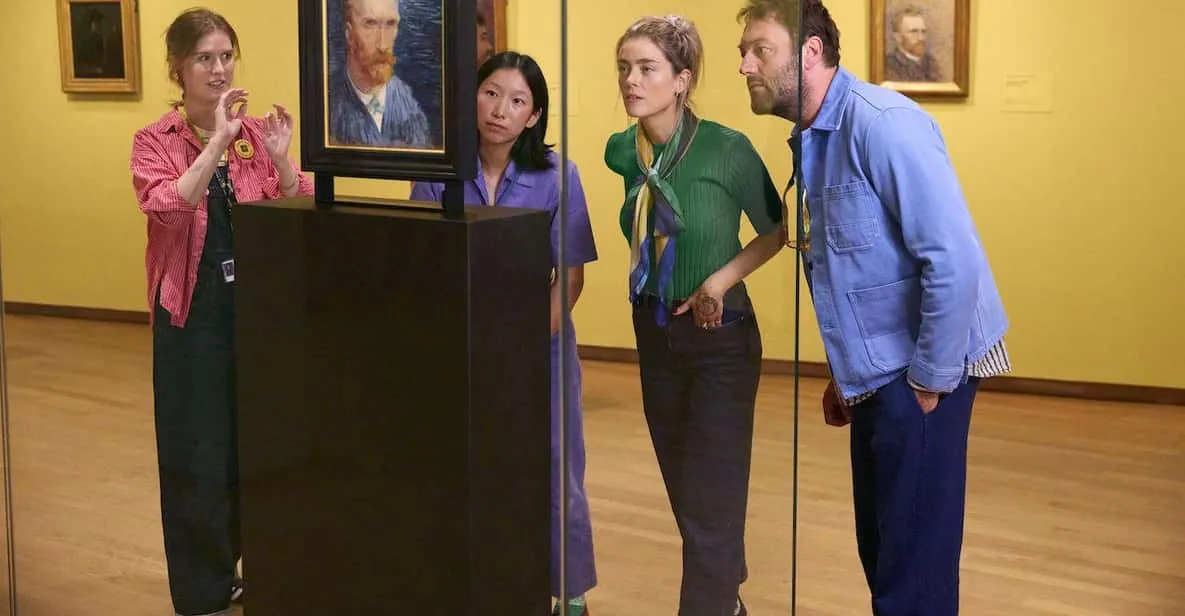
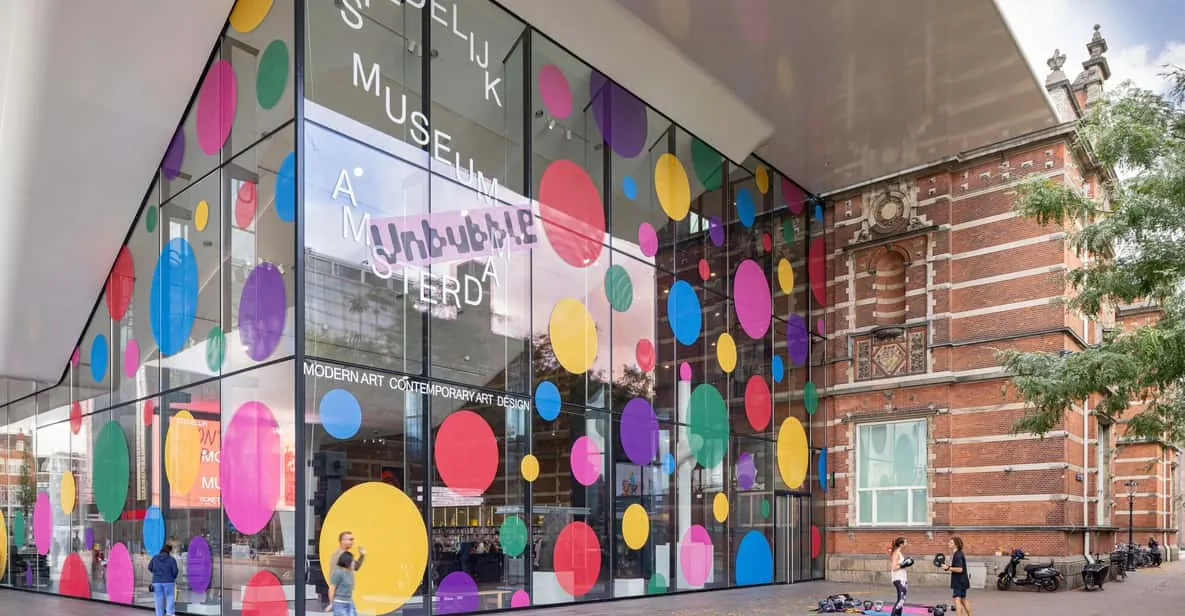
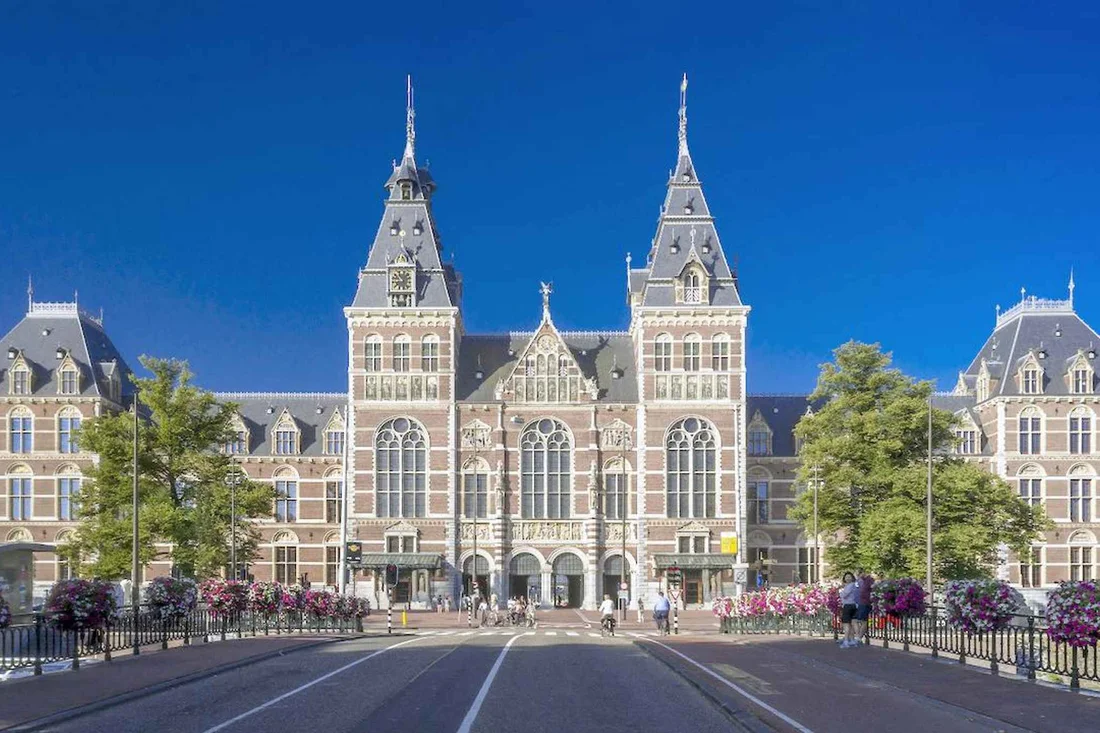
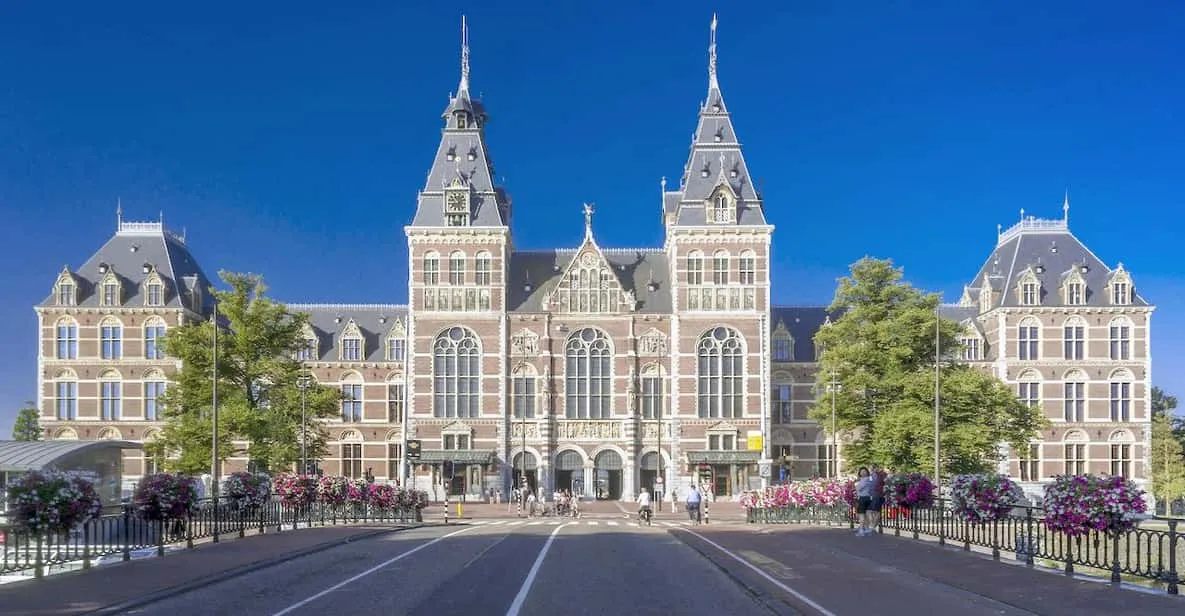
Three museums face each other across one lawn, and between them they hold the core of any Amsterdam museum trip. The Rijksmuseum opens earliest, at 9:00, and rewards it: the Gallery of Honour is close to empty at opening and packed by eleven. The Van Gogh Museum runs on strict timed slots that sell out days ahead in season — walk-up tickets are effectively a myth from April to October. Van Gogh Museum opening hours run to about 17:00 with seasonal evening extensions, and when the Van Gogh Museum sold-out sign goes up, the fix is the platform allotments linked below. The Stedelijk — Stedelijk Museum tickets being the only Museumplein ones you can still decide about at lunchtime — is the palate-cleanser after two floors of Golden Age brown.
You can walk the lawn between any two of them in under five minutes. That makes the classic mistake easy to spot from across the square: people who booked all three for one day and saw none of them properly. Two museums on the Museumplein in one day is the honest maximum — one in the morning, one after lunch — and if you are choosing which pair, Rijksmuseum plus Van Gogh is the combination four out of five first-time visitors should book.
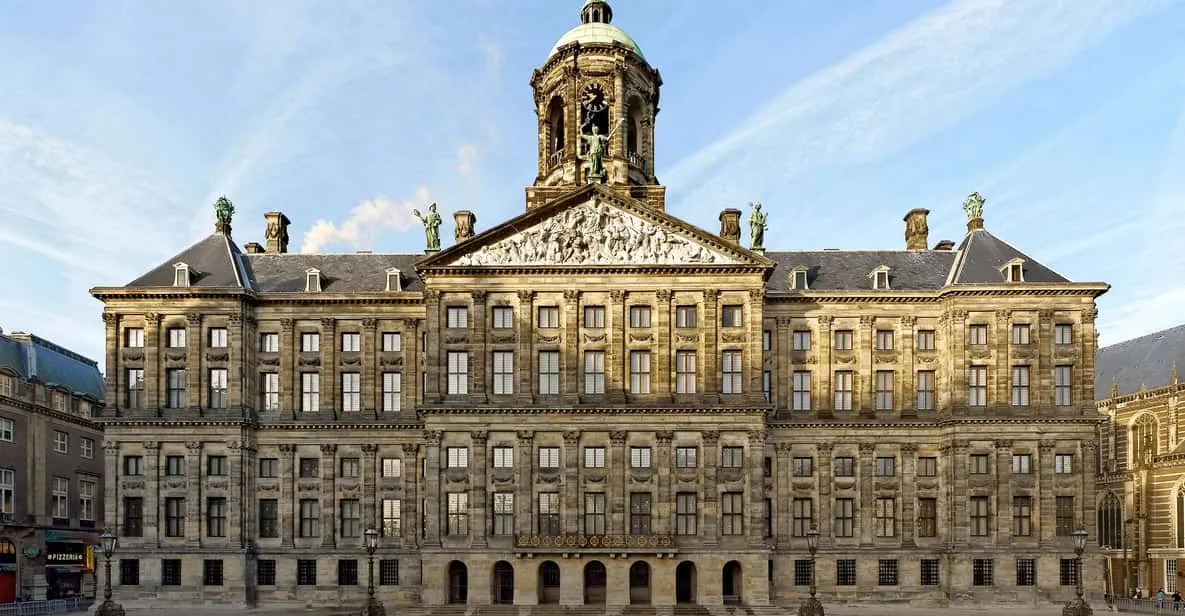
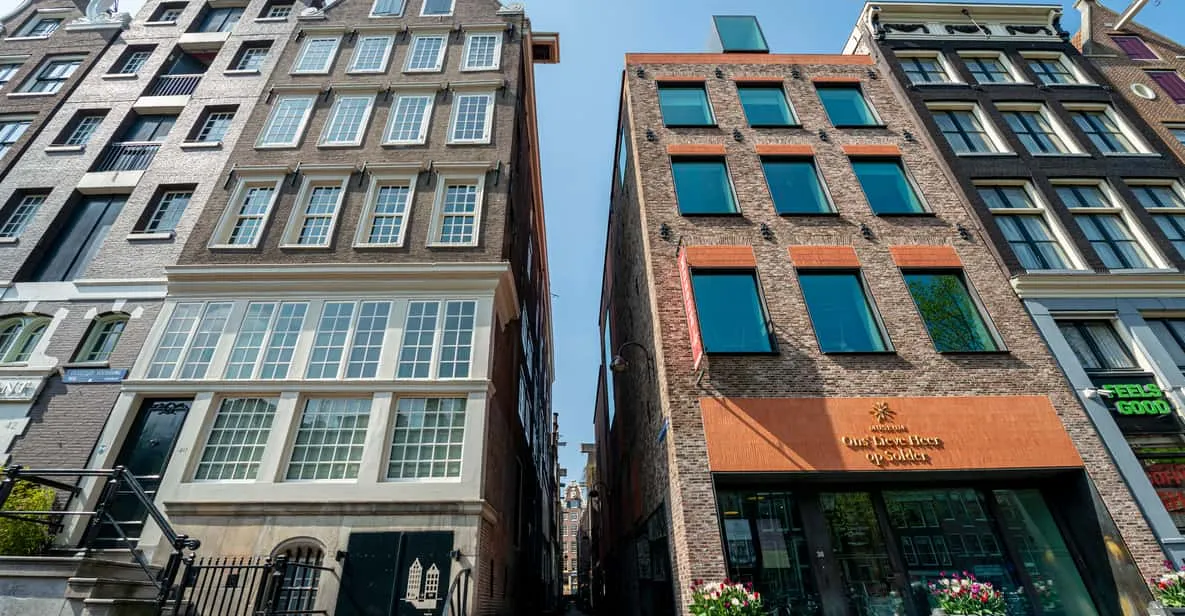
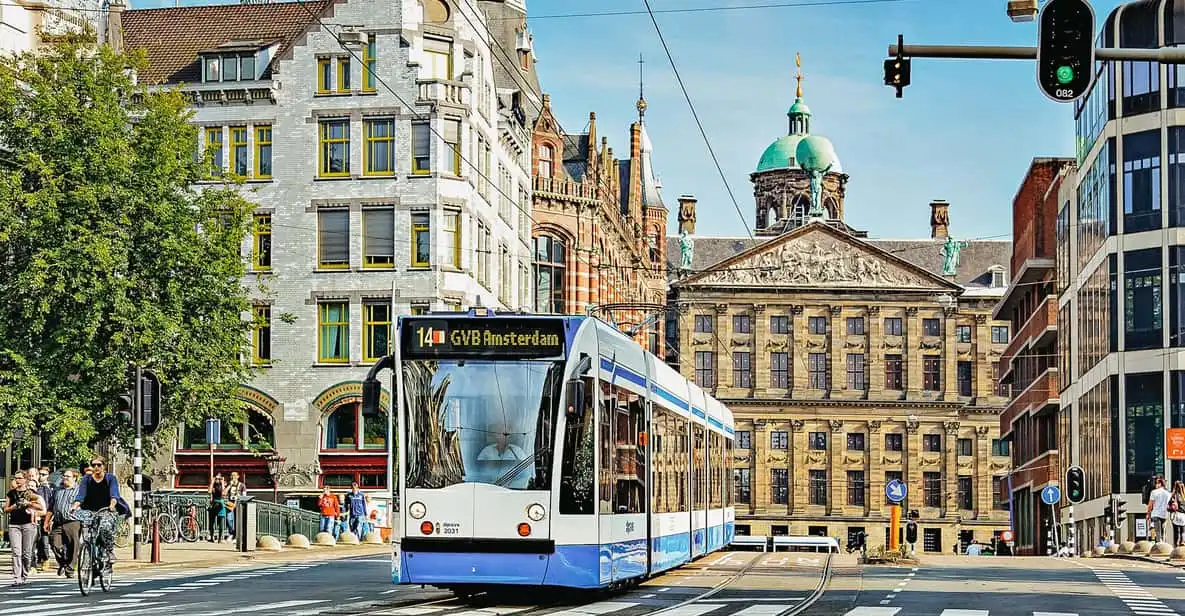
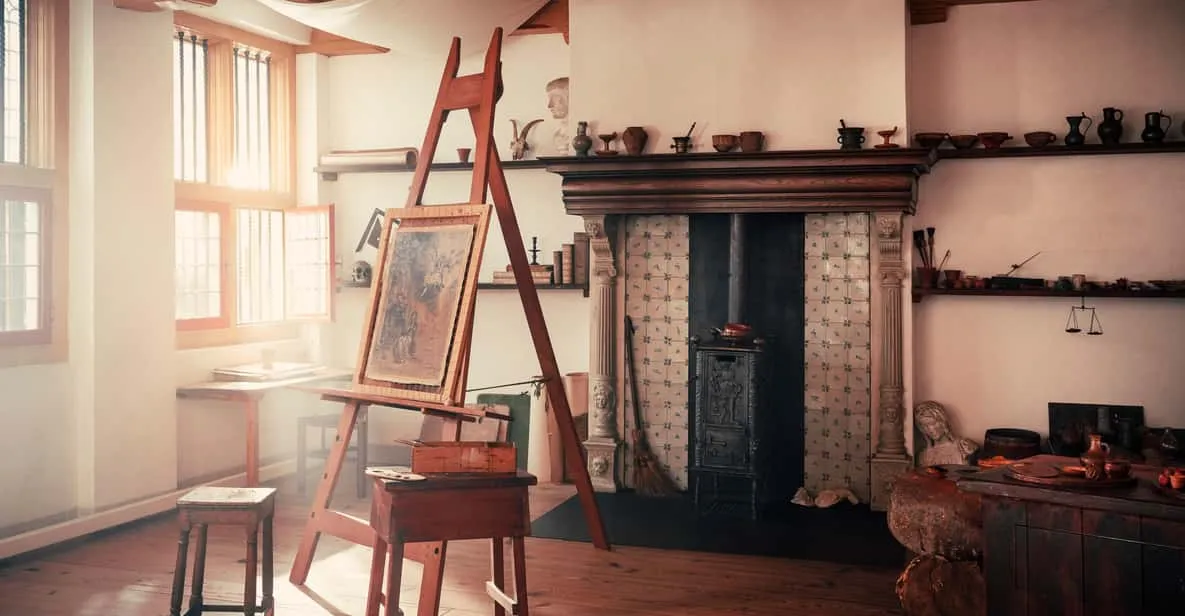
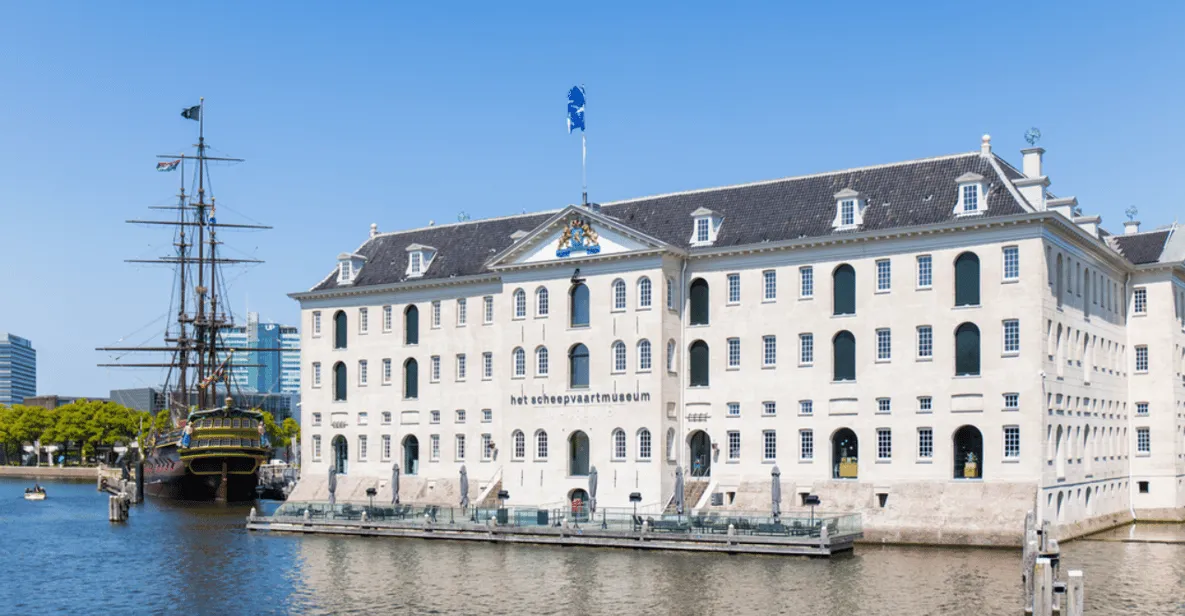
The Rijksmuseum shows the Golden Age's art; a second ring of museums shows its machinery. The Rembrandt House — the Rembrandt House Museum, Amsterdam's best-preserved 17th-century interior — is where the money and the bankruptcy both happened, restored to a working studio with live demonstrations. The National Maritime Museum — the National Maritime Museum Amsterdam on its own signage, the Scheepvaartmuseum to locals — explains how the VOC got the paintings funded in the first place, with a full-size East Indiaman you can climb through. The Royal Palace on Dam Square is the city hall that claimed the wealth, built on 13,659 wooden piles. And the Museum of the Canals is the twenty-minute primer on the ring itself — arguably the correct first museum of any Amsterdam trip, because after it, every canal house and merchant portrait lands in context.
If your visit has one slow morning, spend it on this ring rather than a third pass through the Museumplein. The order that builds best: Museum of the Canals first, Royal Palace before lunch, Maritime Museum after — the last is a short ride from Centraal on bus 22 or a 20-minute walk through the Plantage.
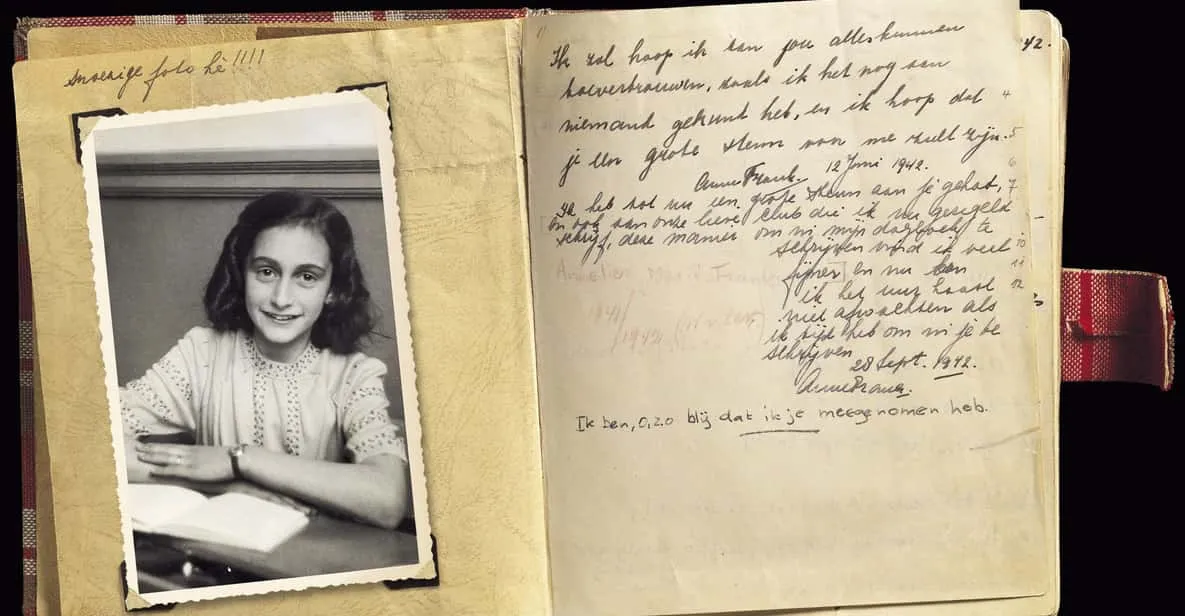
The city's most requested museum is also its most misunderstood booking. The Anne Frank House sells tickets only through its own website, in batches released every Tuesday for visits six weeks ahead — no booking platform, no hotel concierge and no tour includes entry. When the slots are gone, the realistic alternatives are the walking tours that tell the story at the places it happened, and the VR reconstruction that visits the rooms in virtual space; both are listed below and both are run well.
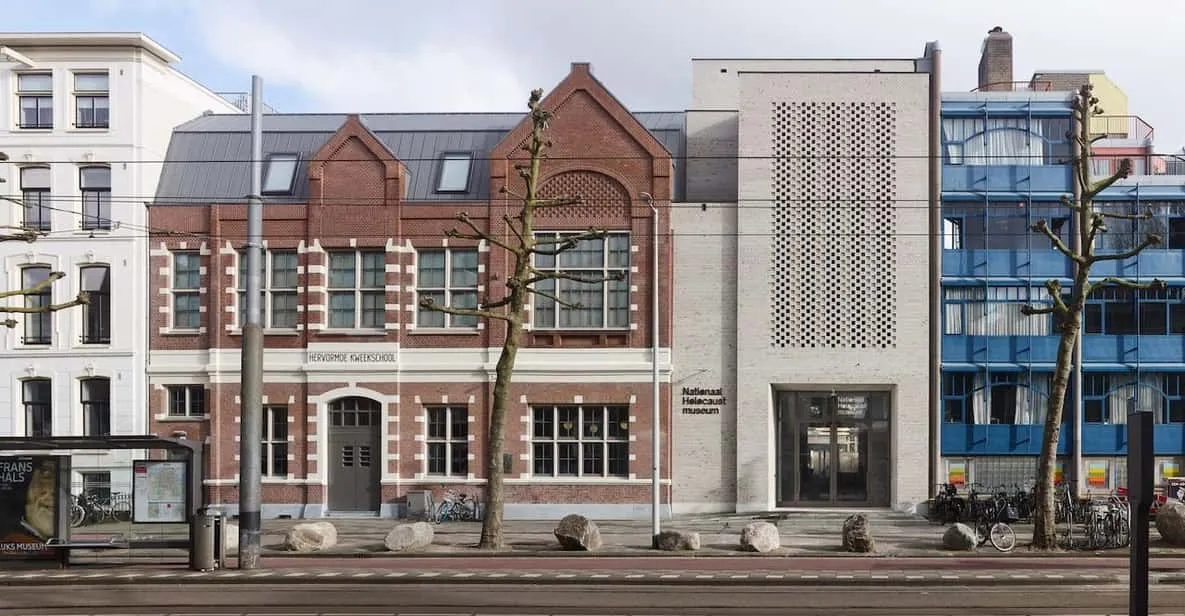
The deeper history sits a short walk east, in the Plantage. Jewish Cultural Quarter tickets bundle four sites on one purchase — the National Holocaust Museum Amsterdam built into two former schools, the Jewish Museum, the Portuguese Synagogue, Amsterdam's grandest 1675 interior, and the Hollandse Schouwburg memorial — while the Resistance Museum, Amsterdam's soberest, covers the occupation next door through the choices of ordinary people. Together they take half a day and repay it; read the quarter guide before you go and the museum visits stop being a list of names and start being a map.
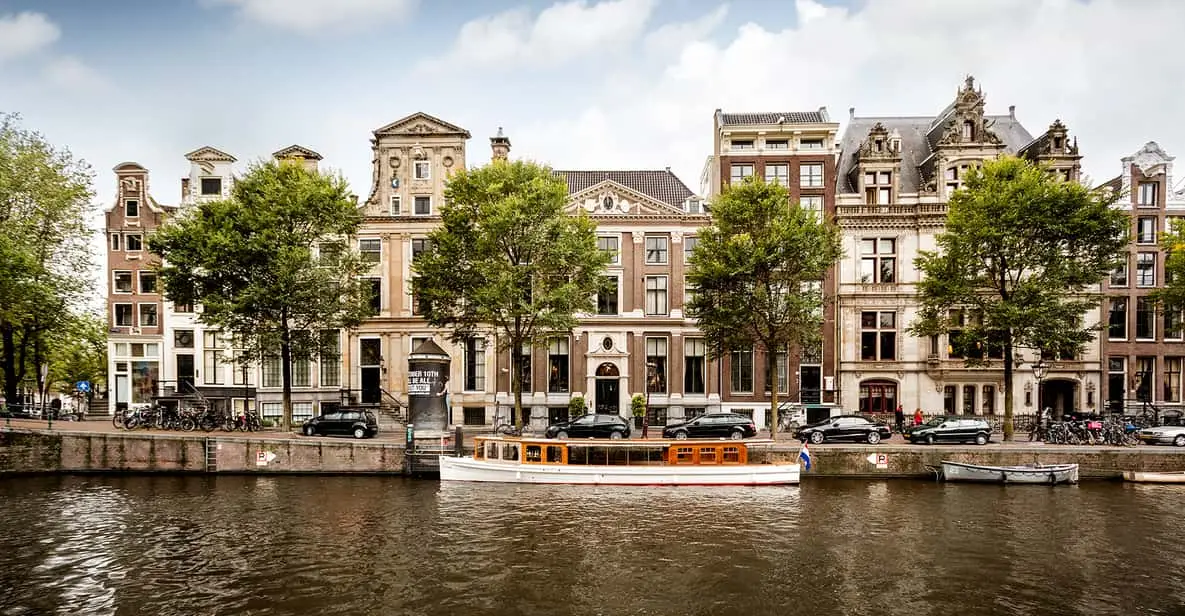
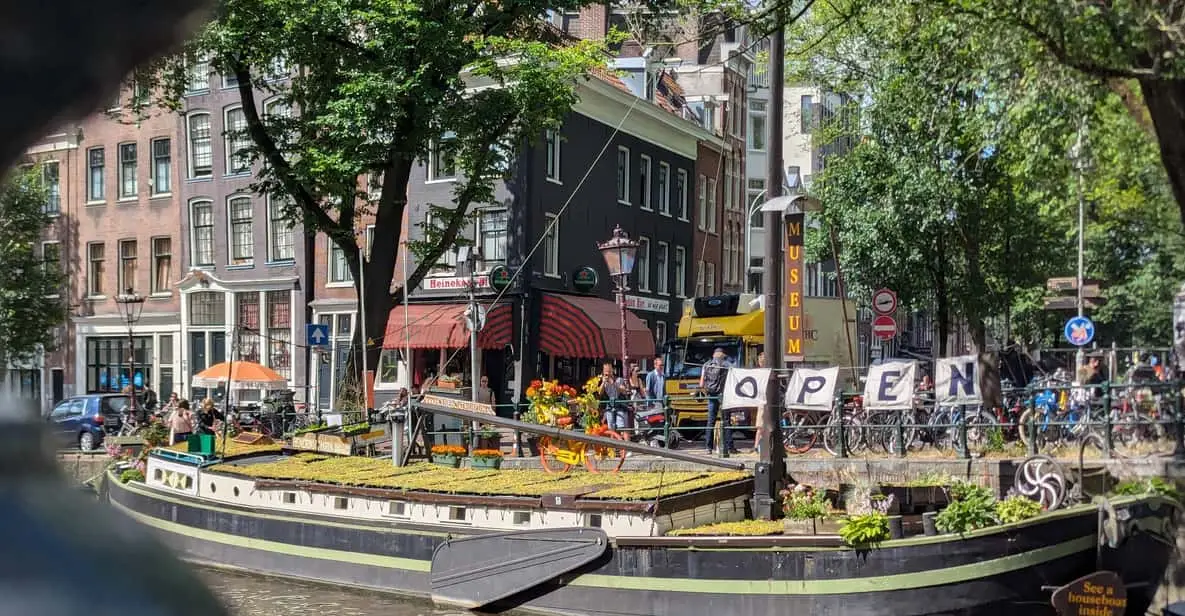
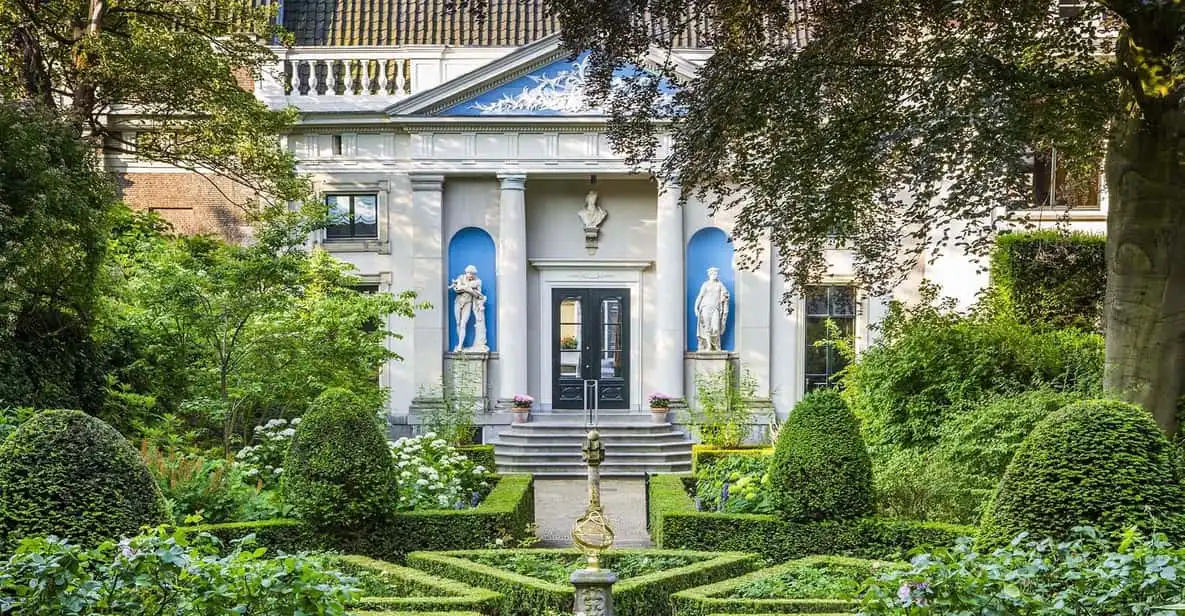
Amsterdam's canal ring is a museum you can walk through for free — and a handful of houses let you walk in. Museum Van Loon on the Keizersgracht is the fullest picture: a merchant family's house with the double parlours, the garden, the coach house and the basement kitchen all as the family knew it, and a family that kept owning the house until 1945 — its history does not stop at 1800 the way most house museums do. The Willet-Holthuysen on the Herengracht shows the 19th-century end of the story, its silver and glass left to the city intact. The Houseboat Museum — the Houseboat Museum Amsterdam keeps literally afloat on the Prinsengracht — answers the question every canal-walker eventually asks: what does the inside of one of those boats look like?
These are the museums to schedule between the heavy ones — small, quiet, close together, and the reason the canal ring became UNESCO-listed in the first place. Two of them fit in the hour between the Rijksmuseum and dinner without anyone feeling like they spent the evening in a museum.
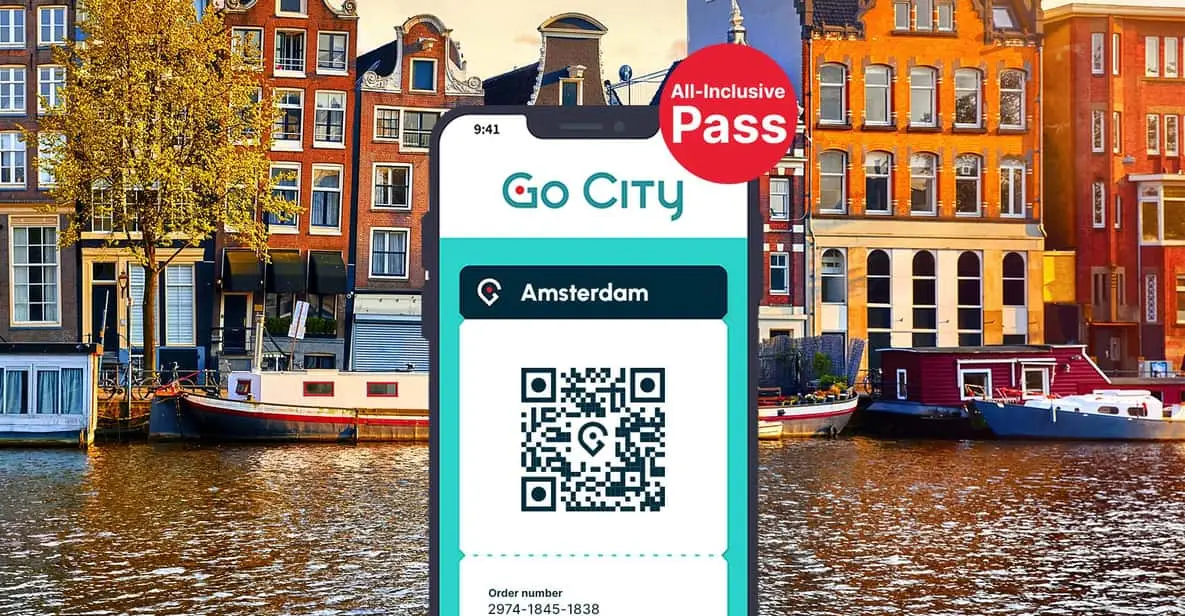
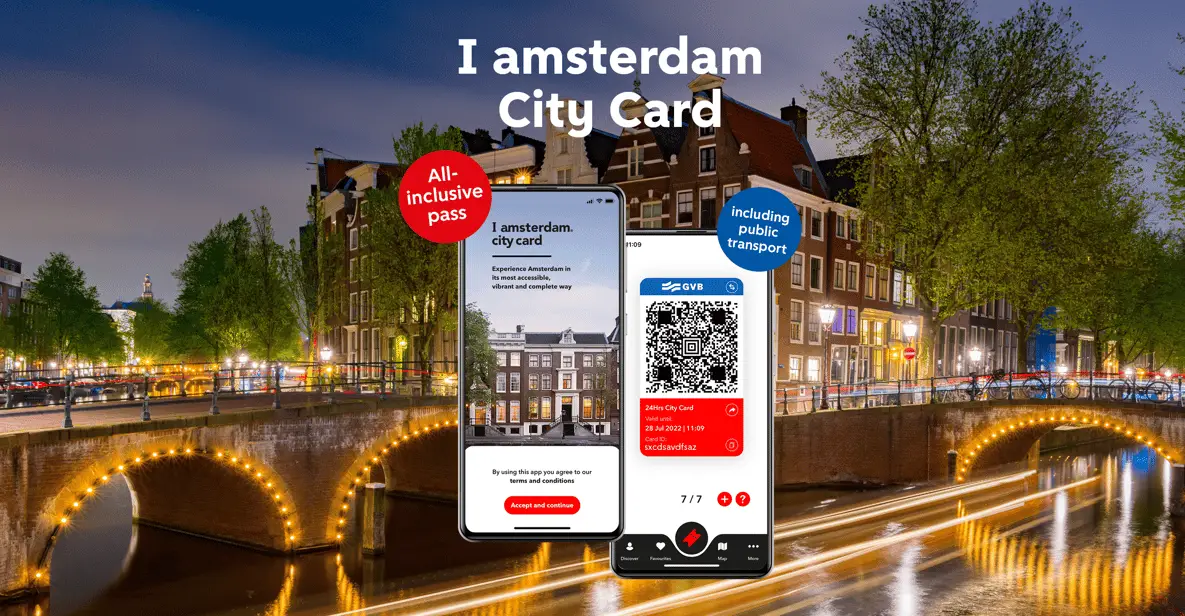
Amsterdam's three passes answer three different questions. The Museumkaart, Amsterdam's residents' card (€69 a year plus a €6 first-card fee, sold at museum counters), that pays off for visitors doing four or more national museums and is accepted at the Rijksmuseum, Van Gogh, Stedelijk, Rembrandt House, Van Loon, the Maritime, NEMO and the Jewish Cultural Quarter — but not at the Anne Frank House, and you still book timed slots where required. The I amsterdam City Card is the visitor card: per-hour pricing from 24 to 120 hours, bundling the same museums with unlimited GVB transport and a canal cruise. The Go City pass prices by attraction count — pick 3 to 7 — and wins when you will skip the trams.
The full Amsterdam museum pass comparison, with worked examples for 2, 3 and 4 days, is in the pass guide — and the Amsterdam city card vs Museumkaart question usually comes down to one thing: trams. The one-line version: two museum days means buy nothing in advance but the Anne Frank slot; three or more days, the City Card usually wins on convenience; and anyone staying a week or combining with Haarlem and Delft should price the Museumkaart seriously.
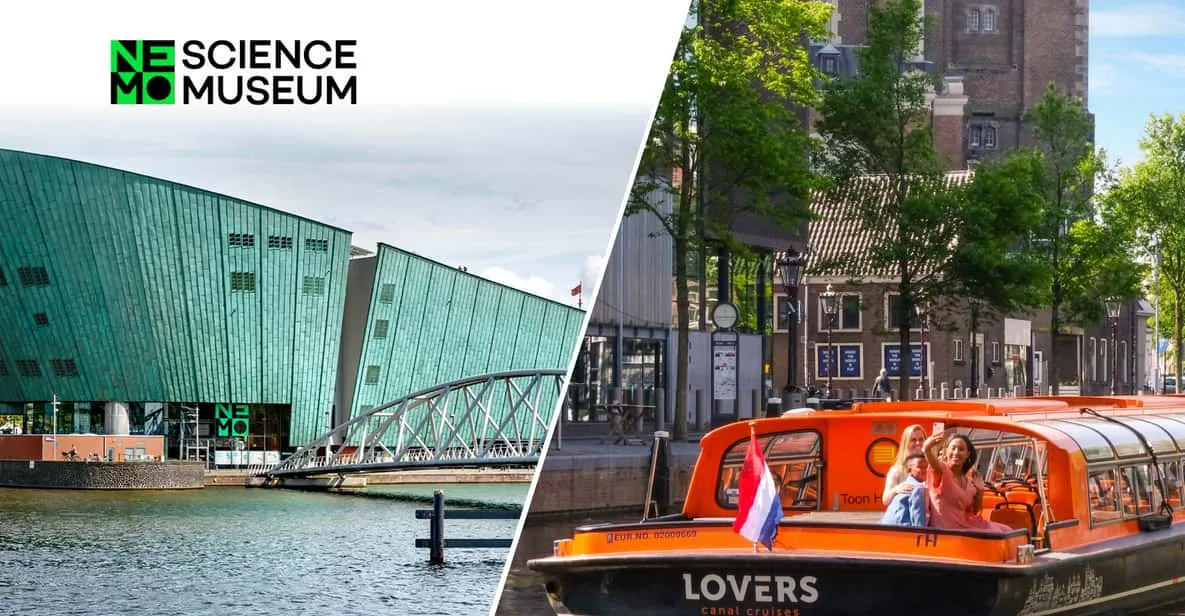
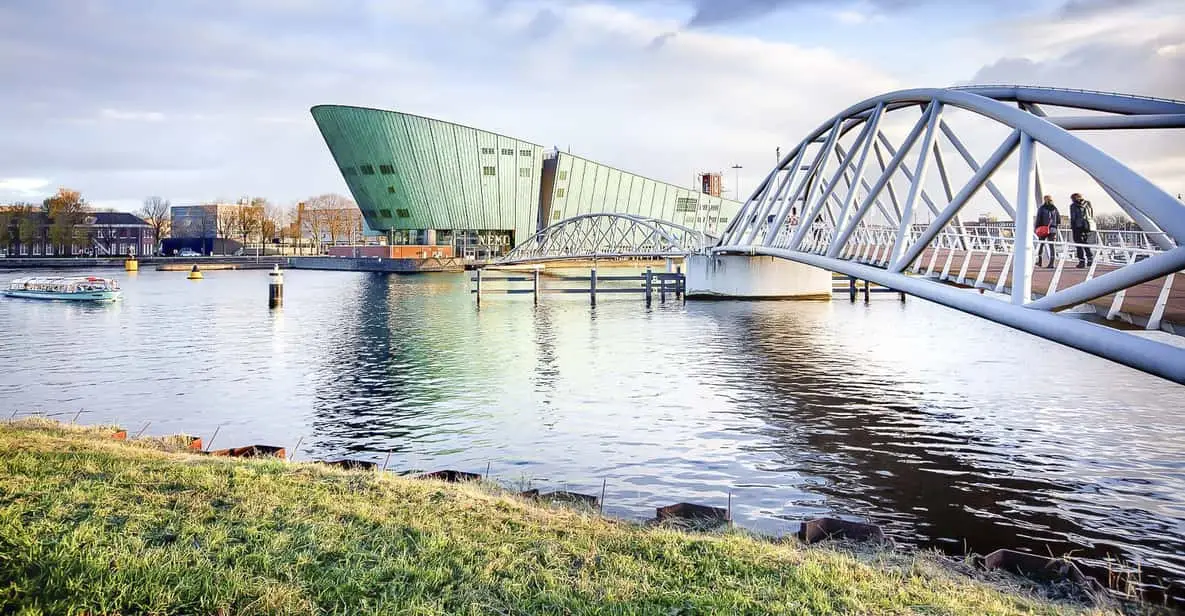
Ask which museums in Amsterdam for kids actually earn their ticket and one answer tops the list: NEMO — NEMO, Amsterdam's green ship by Centraal, and the best of the family museums Amsterdam keeps by the water, Amsterdam's green ship of a building by Centraal: five floors of experiments built for ages six to fourteen, with the rooftop deck free even to people who never buy the ticket. The Houseboat Museum is a forty-minute wonder for the same audience, and the Maritime Museum earns its slot on the strength of the full-size East Indiaman moored outside — climbing through a 17th-century cargo ship converts even museum-fatigued ten-year-olds.
The honest guidance for the big three: the Rijksmuseum works with children if you pick rooms — the dollhouses in the special collections, the ship models and the weapons floor — and skip the plan to see everything. The Van Gogh works if you go early, keep it to one floor at a time and let the painting workshop be the backup. The Anne Frank House is an hour of hard history — most families save it until the children are teens and have read the diary; under-tens need their own (€1) ticket slot.
The immersive museums Amsterdam does best share a trait with its oldest ones: a real building doing half the work. Not every Amsterdam museum wants your afternoon. Fabrique des Lumières projects the Dutch masters across a former tram depot's brick walls to a soundtrack — the easy evening slot after a day of real galleries, and better than it has any right to be. The STRAAT museum — Amsterdam's street-art shed on the NDSM wharf, reached by a free ferry from Centraal — hangs commissioned street art at building scale inside a shipyard paint hall. BODY WORLDS on the Damrak takes the plastinated-anatomy format and points it at the science of happiness. And The Upside Down is a house of neon photo rooms that books out on rainy days.
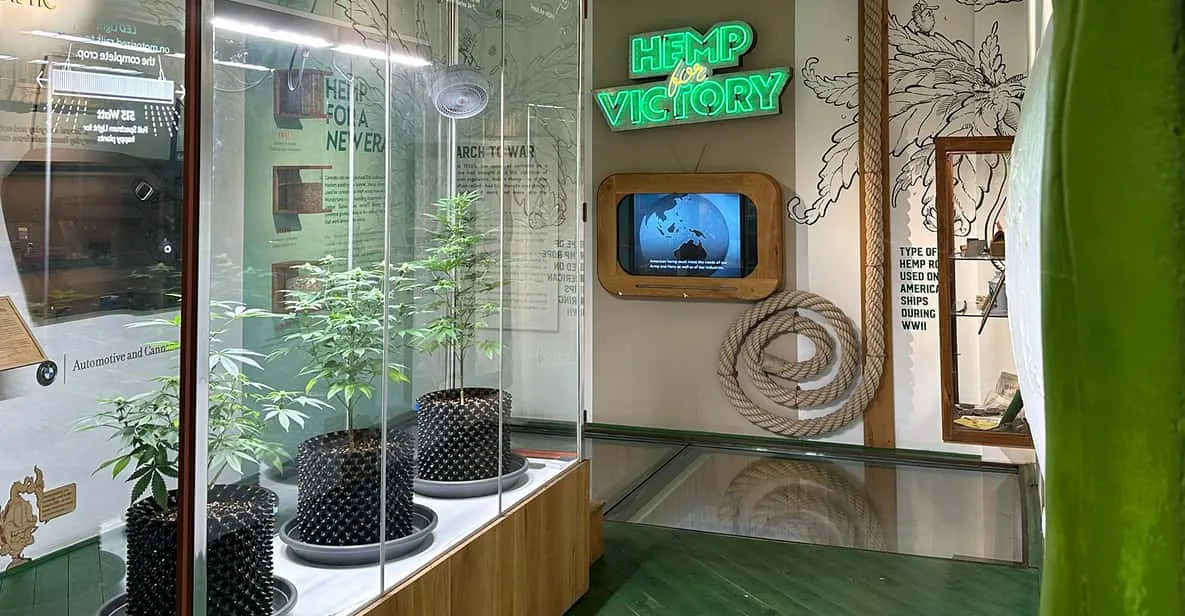
Two smaller doors round out the category: the Cannabis Museum near the Red Light District covers coffee-shop culture straight, with an audio guide, and the Museum of the Canals — quirky only in being genuinely fun about municipal drainage — remains the best hour of context in the city.
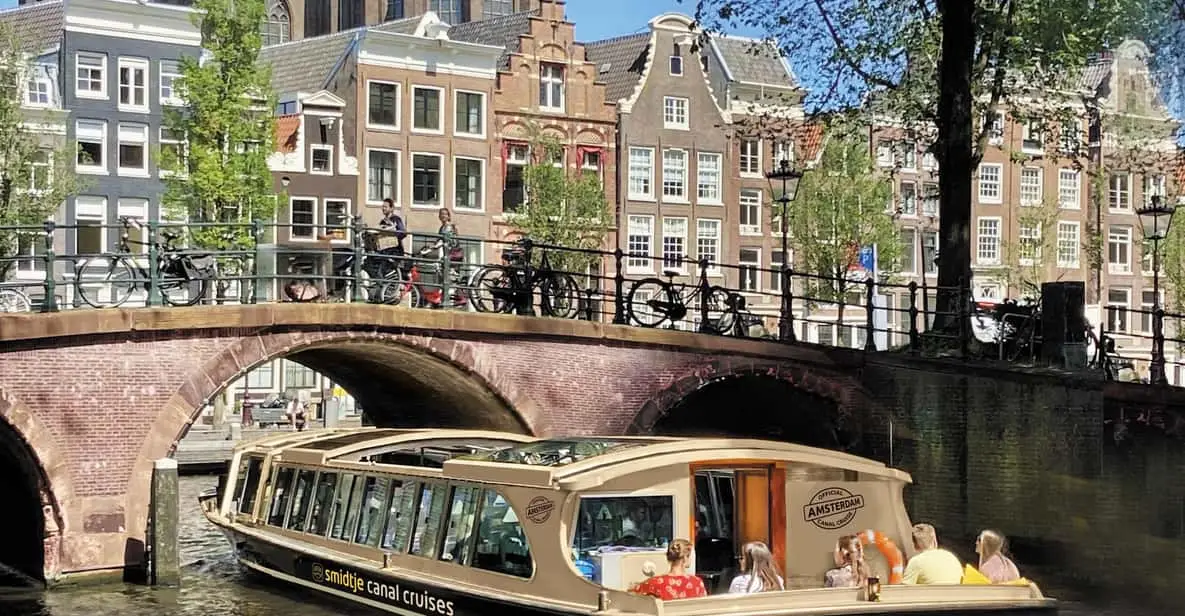
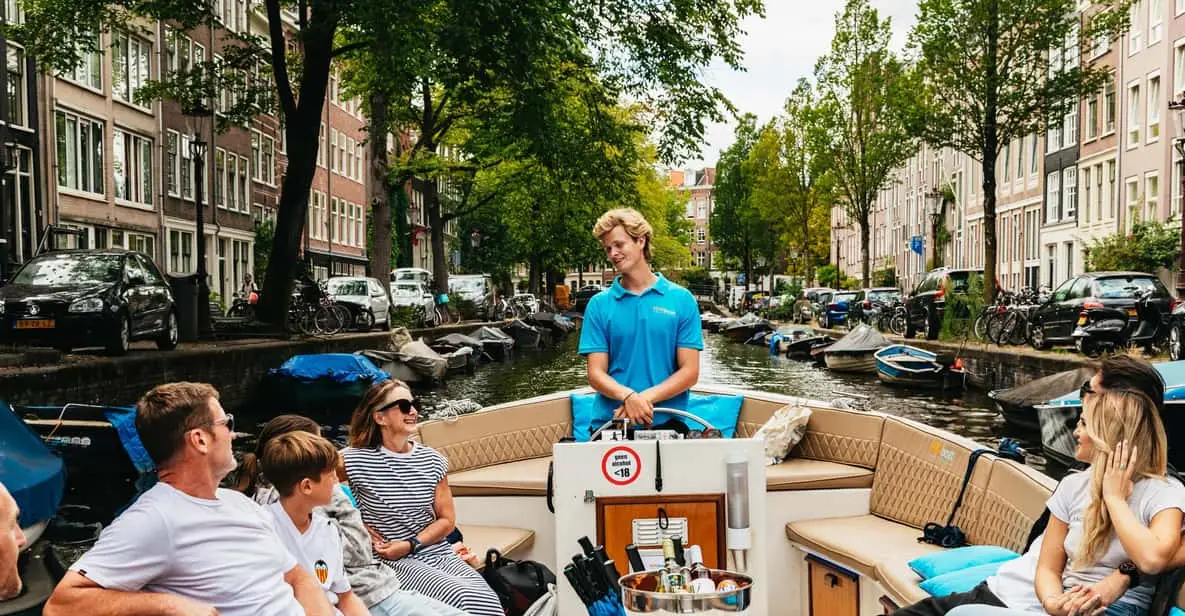
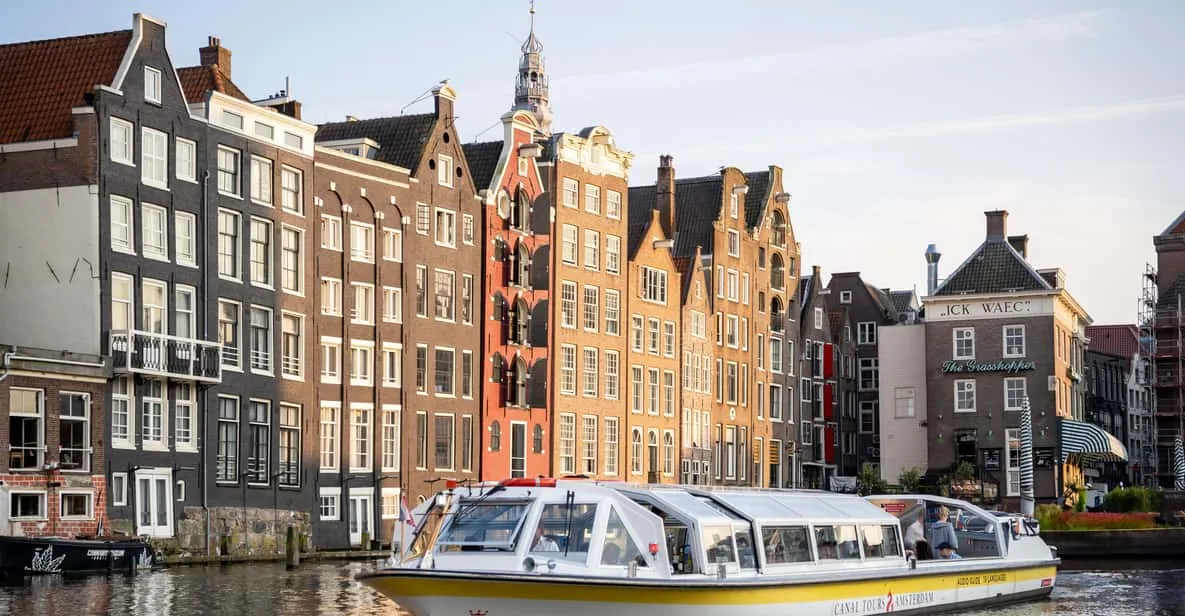
The canals are the reason the city looks the way its paintings do, and the canal cruise Amsterdam is famous for remains the cheapest way to feel it. The honest advice: do one cruise, early or late. The 75-minute audio cruise from the Anne Frank House loops the central ring with commentary in eight languages; the open-boat cruise feels closer to a local sloop than a tourist barge; and the stroopwafel cruise is the budget classic near Centraal.
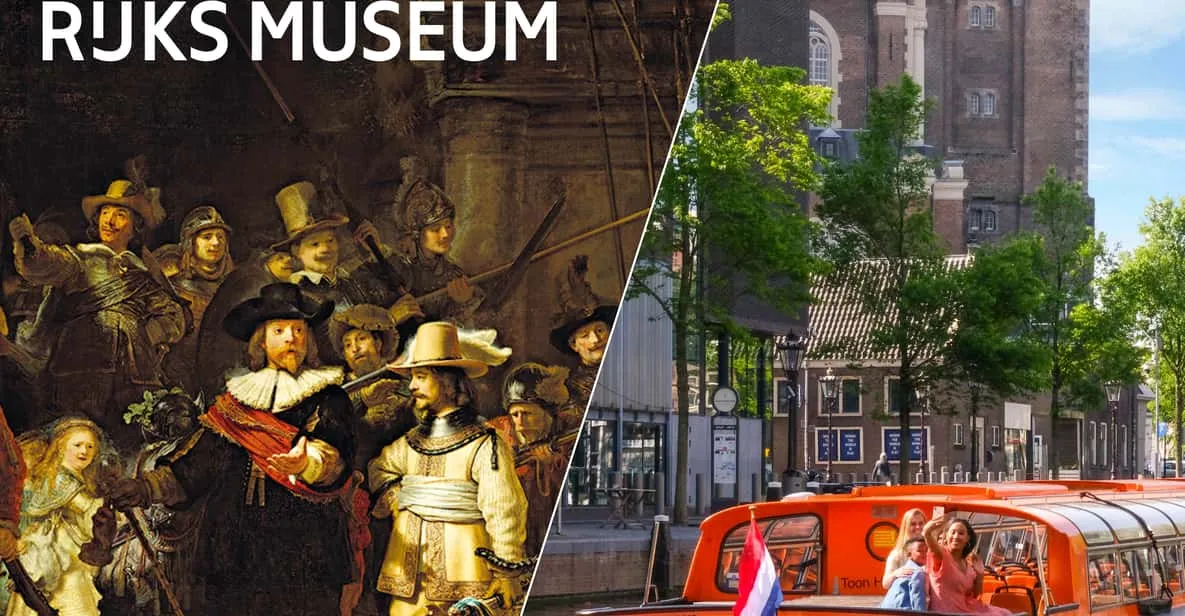
Booked slots for the big museums pair naturally with a cruise — the Rijksmuseum and Van Gogh combos above bundle exactly that.
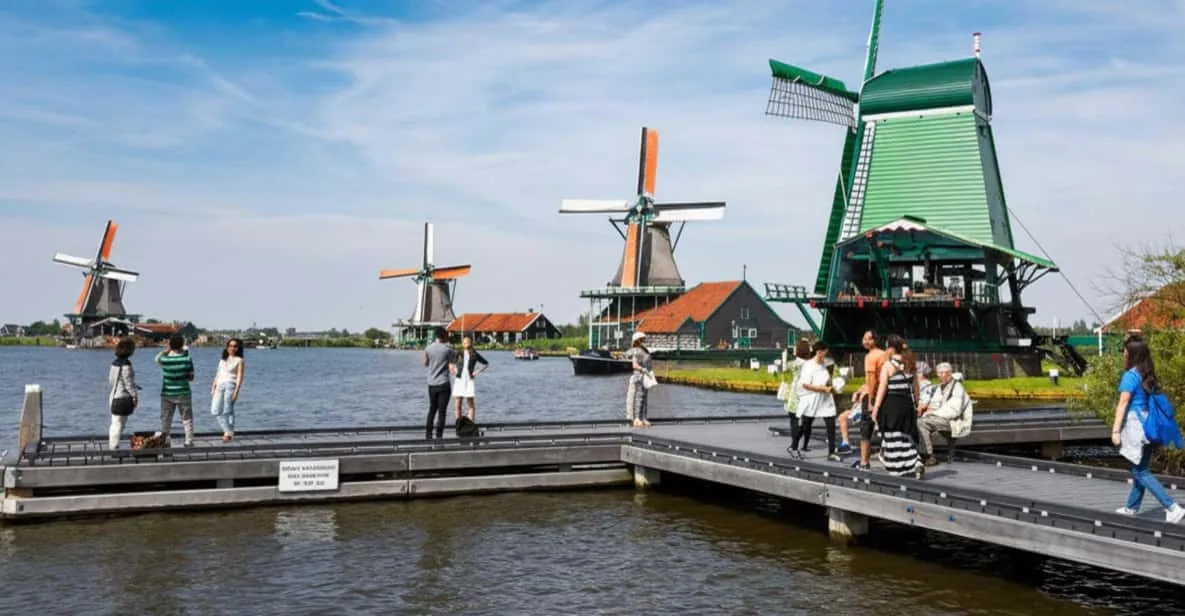
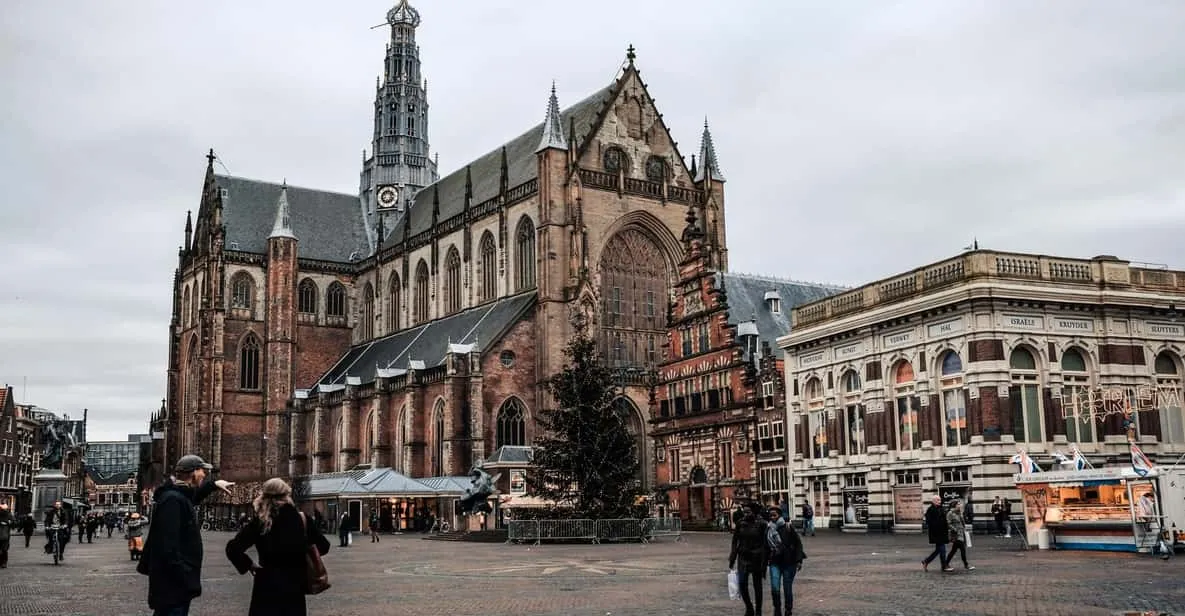
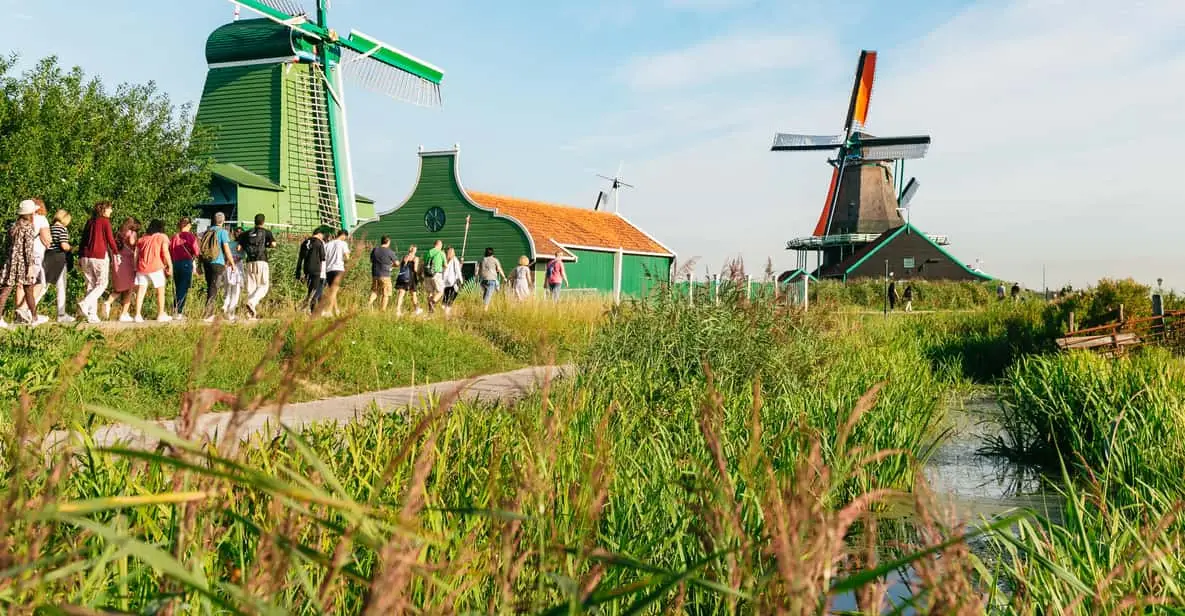
The museums near Amsterdam are a reason to leave the ring, and two day trips from Amsterdam earn it for the museums alone. Haarlem is the easiest — a Haarlem day trip; Amsterdam Centraal to Haarlem is fifteen minutes — built around the Teylers Museum (Haarlem's own, and the country's oldest: an 18th-century cabinet of instruments and fossils in its original oval hall) and the Frans Hals Museum, plus a market square that outfilms most of Europe. The Zaanse Schans pairs working windmills with the Zaans Museum's industrial history, and combines honestly with Edam, Volendam and Marken on the same loop. Further out, Delft and The Hague put the Mauritshuis — The Hague's pearl-wall gallery, home of Vermeer's Girl with a Pearl Earring — inside a day, and a day trip to The Hague from Amsterdam is a direct forty-minute train.
All three are doable by public transport with the regional travel ticket, and the guided versions below remove the connections entirely. The full routes, train platforms and museum-by-museum notes are in the day trips guide.



 from $31